
Group Members and Alumni
Principle Investigator
Post Docs
Graduate Students
Automation Specialists
Alumni
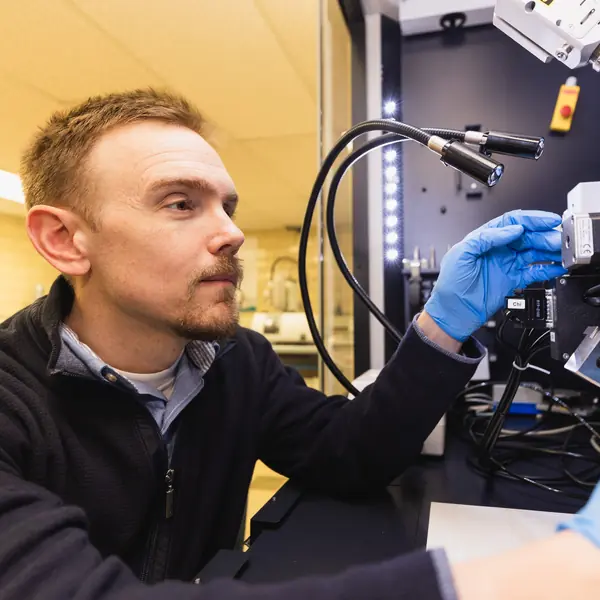
Jason Hattrick-Simpers leads the Autonomous Discovery of Alloys (AutoDIAL) research group at the University of Toronto. His research focuses on autonomous materials discovery, high-throughput experimentation, and machine learning applications in materials science.
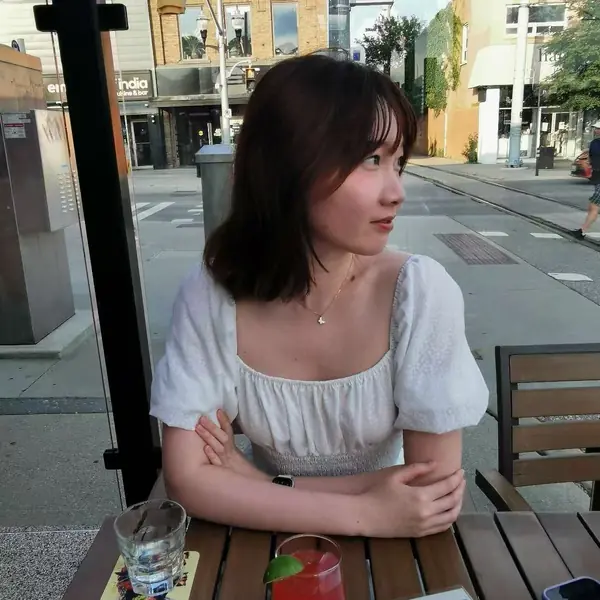
Yutong Liu joined the group in December 2023 as a postdoctoral fellow. She is currently working on autonomous materials discovery for oxygen evolution reaction (OER) catalysts using high-throughput experimentation. Yutong completed her Ph.D. in Chemistry at University of Waterloo (2018–2023), where her research focused on defect investigation in hematite photoanodes for solar water splitting. She holds a Bachelor of Science in Materials and Nanosciences from the University of Waterloo and a Bachelor of Engineering from Beijing Jiaotong University, both earned through the BJTU-UW 2+2 Joint Program (2014–2018).
Outside of work, Yutong enjoys movies, yelling at soccer games, and relaxing with her two cats.
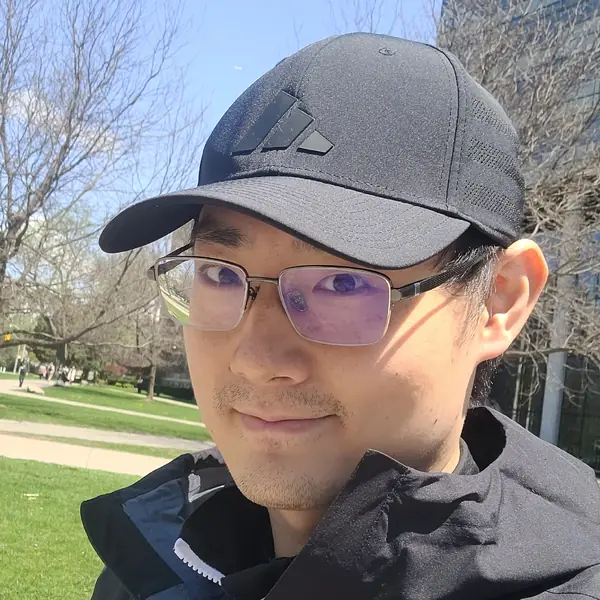
Changjun Cheng is currently a Postdoctoral Fellow in AUTOnomous DIscovery of ALloys (AUTODIAL) within the Department of Materials Science and Engineering at the University of Toronto. He received his doctorate, master’s, and bachelor’s degrees from University of Toronto, Zhejiang University, and Zhejiang University, respectively. His research focuses on the accelerated discovery of thermal stability and phase transition of nanocrystalline multiple-component materials, specifically in the investigation of high-throughput methods and high-entropy alloys. He also conducts collaborations with Toronto Nanofabrication Centre and Canadian Light Source for the high-throughput fabrication and characterization of nanostructured thin films.
Cheng’s scholarly contributions extend to over 10 peer-reviewed journal papers, including a notable research paper (Cheng et al. Advanced Materials 2024) and a recently published review paper (Cheng et al. Progress in Materials Science 2025) about high-throughput research on nanostructured HEAs.
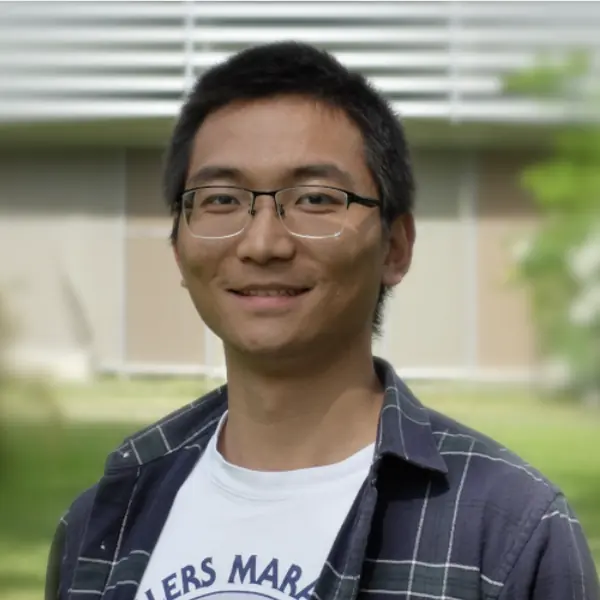
Hao Wan joined the group at the University of Toronto in June 2025. My research focuses on the synthesizability of novel HEOs. Before joining the University of Toronto, I was an Alexander von Humboldt Fellow at the Fritz-Haber-Institut of the Max Planck Society, where I developed DFT-based machine learning interatomic potentials to study catalyst degradation. I hold a PhD in Chemistry from the University of Copenhagen, where my work centered on understanding catalytic activity trends of catalysts on various electrochemical reactions via a descriptor-based approach.
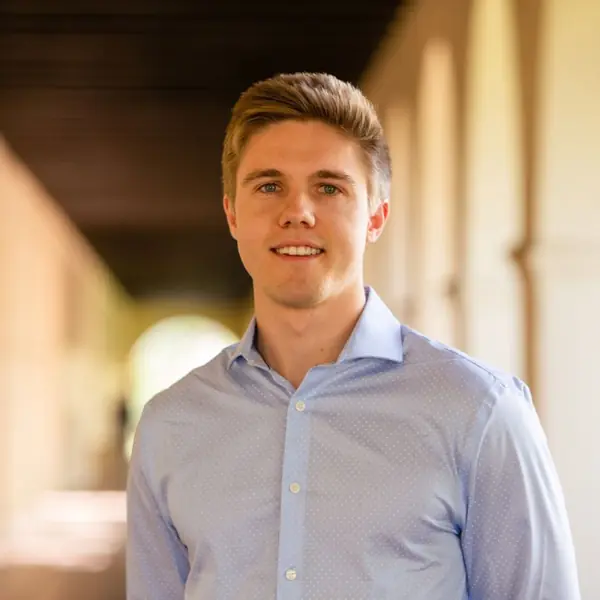
Dan McHaffie is a postdoctoral researcher working on materials science and artificial intelligence for autonomous science.
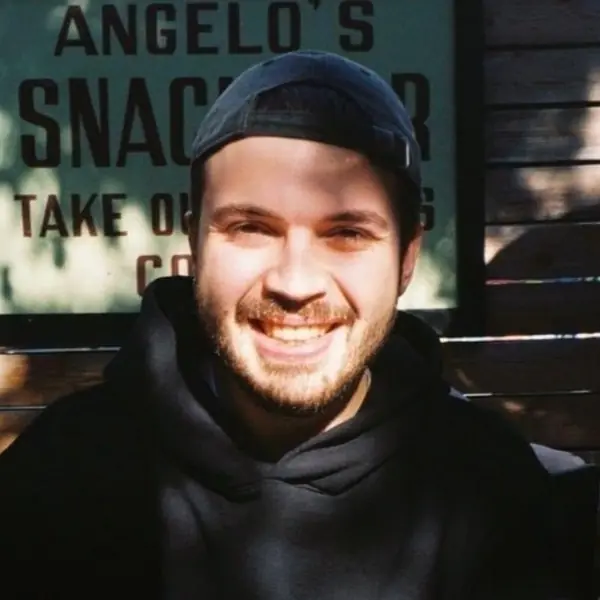
Luke Menezes is a postdoctoral researcher working on materials science and artificial intelligence for autonomous science.
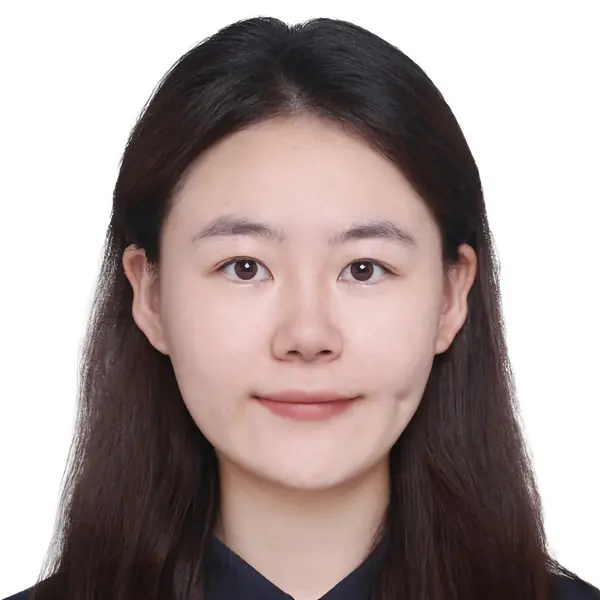
Yin Zhu is a postdoctoral researcher working on materials science and artificial intelligence for autonomous science.
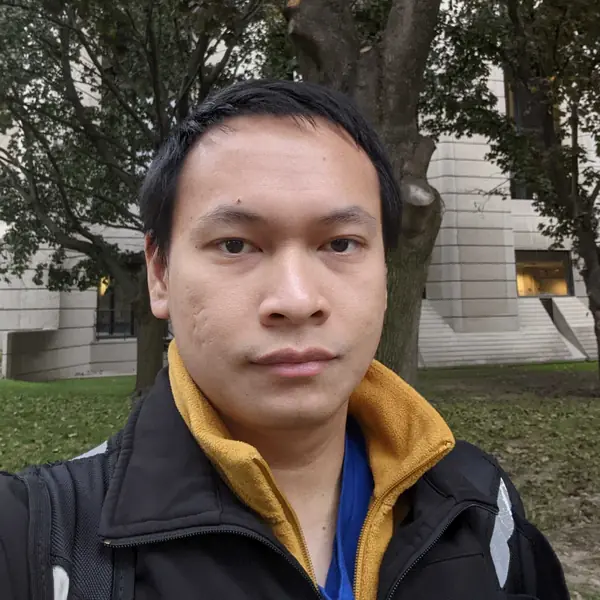
Yonatan Kurniawan joined the group in October 2025. His research focuses on applying active learning, uncertainty quantification, and sloppy model analysis to electrochemical impedance spectroscopy, aiming to improve model performance and interpretability for battery material discovery. He earned his Ph.D. in Physics from Brigham Young University, where he used information geometry to investigate uncertainty in interatomic models. His broader interests include integrating uncertainty quantification and active learning through sloppy model analysis and information geometry to enhance model predictions, uncertainties, and interpretability.
Outside of work, Yonatan enjoys playing video games, watching anime, playing guitar, and solving Sudoku puzzles.
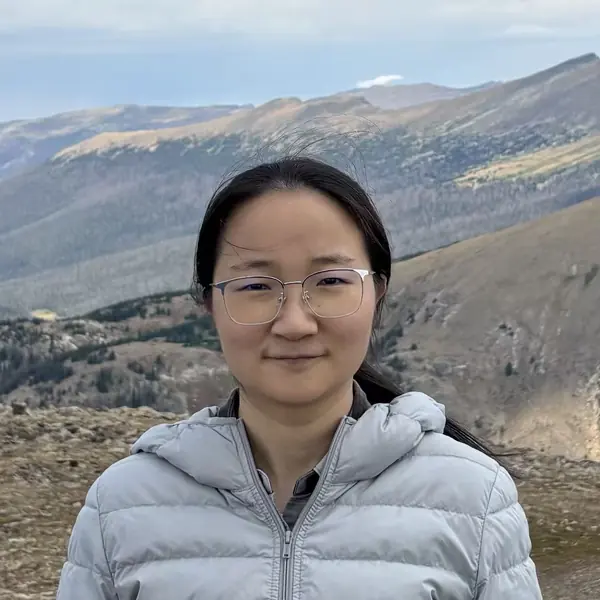
Jingyan Zhang joined the group as a Postdoctoral Fellow in June 2026. Her current research focuses on AI-driven materials acceleration and electrochemical metal recovery through self-driving experimental platforms.
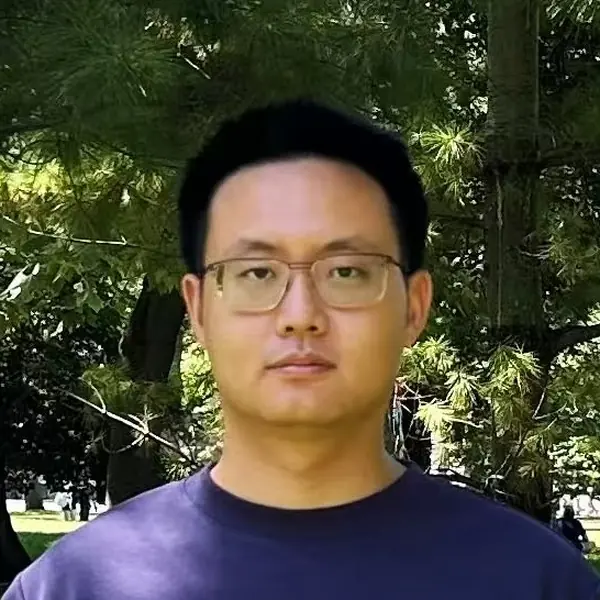
Ang (Leo) Li joined the group in June 2026 as a Vector Distinguished Postdoctoral Fellow, hosted by Professors Jason Hattrick-Simpers and Anatole von Lilienfeld. He focuses on developing self-driving laboratories. He received his BASc in Computer Engineering in 2021 and his PhD in Mechanical Engineering in 2026 from the University of Toronto.
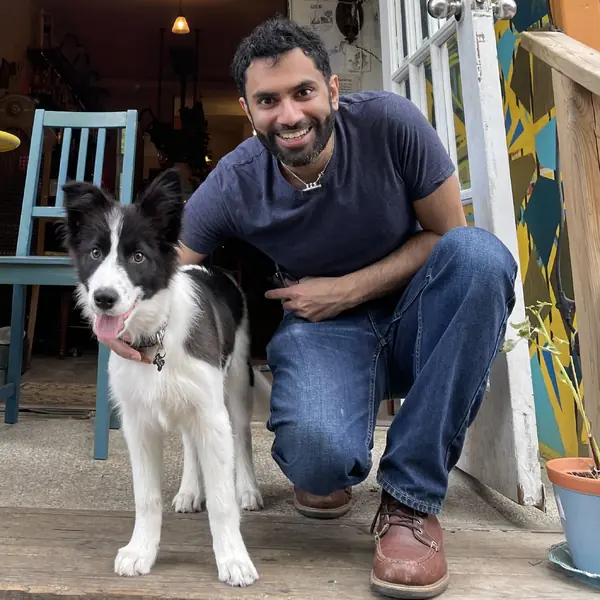
Govind Hari Kumar is a postdoctoral researcher working on materials science and artificial intelligence for autonomous science.
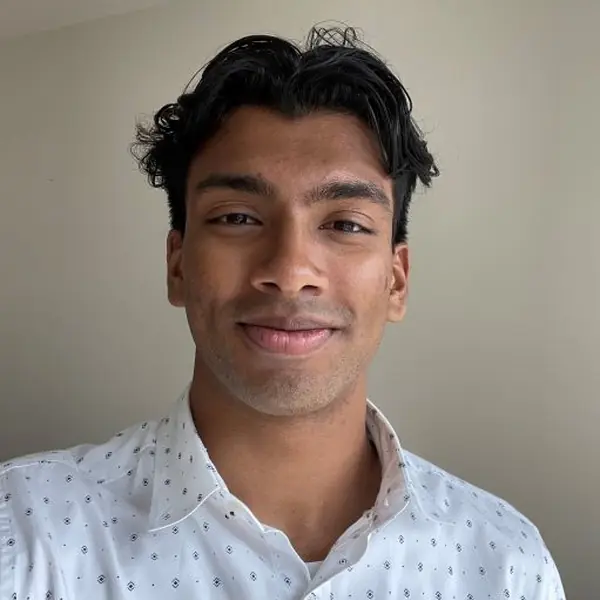
Daniel Persaud is a Ph.D. student researching autonomous materials discovery and machine learning applications in materials science.
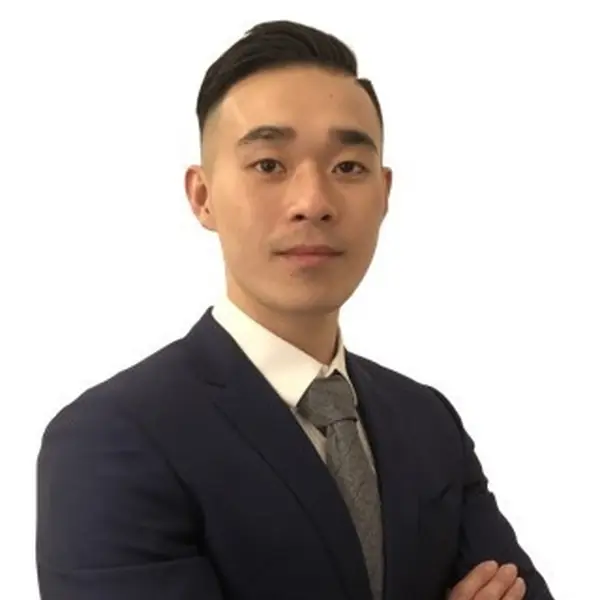
Hongchen Wang is a Ph.D. student focusing on materials characterization and computational materials science.
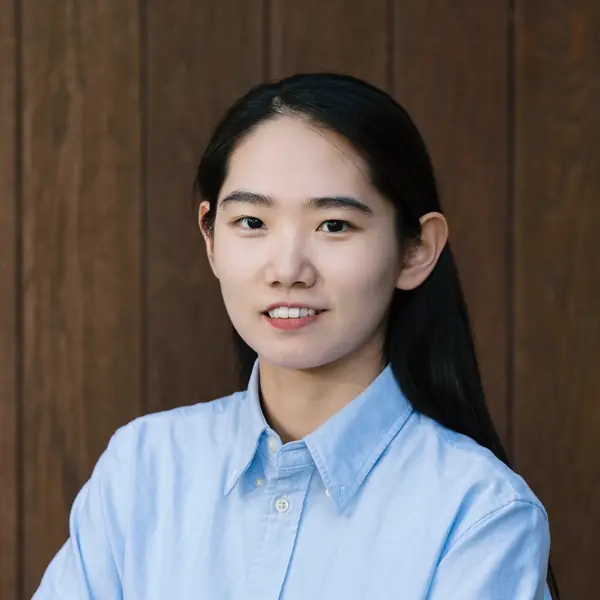
Qiuyu (Sara) Shi is a 4th year Ph.D. candidate focusing on detecting and recovering noisy features in self-driving laboratories and studying degradation behaviors in electrochemical systems through Electrochemical Impedance Spectroscopy (EIS) analysis. Sara earned her Bachelor of Science in Materials and Nanoscience in 2019 and her Master of Applied Science (MASc) in Chemical Engineering (Nanotechnology) in 2021, both from the University of Waterloo.
An experienced experimentalist in Zn-ion batteries and solar cells, Sara is currently leveraging machine learning techniques for applications in materials science. She has led and contributed to multiple projects in collaboration with industrial and governmental partners, including Sekisui Co., Ltd. (Japan) and the National Research Council (NRC) Mississauga.
Sara actively participates in conferences and workshops, engaging with researchers across diverse disciplines. Her recent engagements include IMSI Workshop 2024, Accelerate Conference 2024, MRS Spring 2025, and UT2-MAC Workshop 2025. In her spare time, Sara enjoys playing badminton and practicing IPSC shooting.
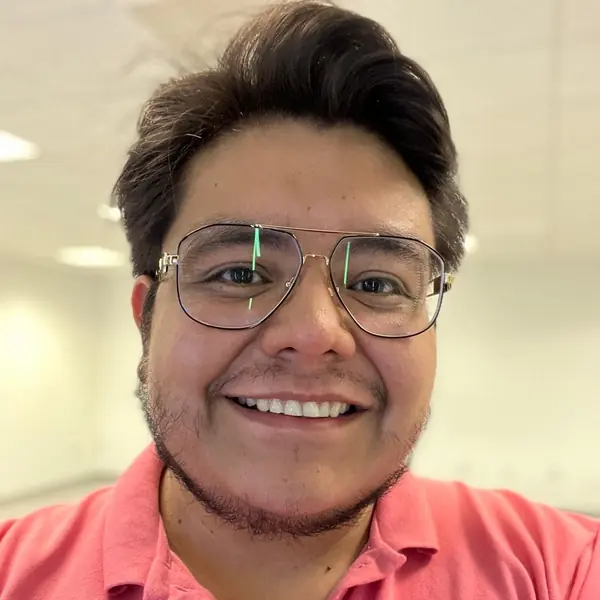
Rafael Espinosa Castañeda is a Ph.D. candidate in Materials Science and Engineering at the University of Toronto, working under the supervision of Professor Jason Hattrick-Simpers. Before beginning his doctoral studies, he was the director of the Data Science and Mathematics Engineering program at Tecnológico de Monterrey, Campus Querétaro. Also, he was Lecturer of Physics, Mathematics and Data Science. He received a master’s in data science from the University of Texas at Austin, a Master’s in Theoretical Physics from the University of Cambridge and a bachelor’s in physics from Universidad de las Américas Puebla. Rafael’s research mainly focuses on Multi-Objective Active Learning to accelerate the discovery of next-generation battery materials. He also actively collaborates in Large Language Models and Open-Source AI Software for Materials Science.
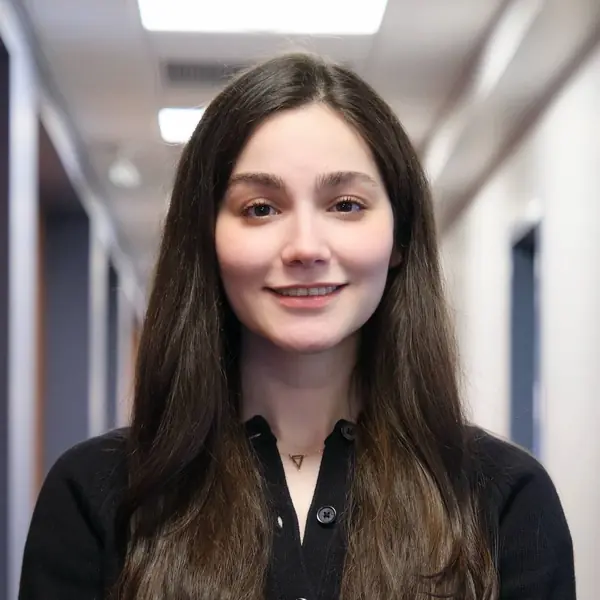
Ghazal is a PhD student in Materials Science and Engineering. She earned her bachelor's degree in applied chemistry from Sharif University of Technology and an MSc in chemistry from Western University.
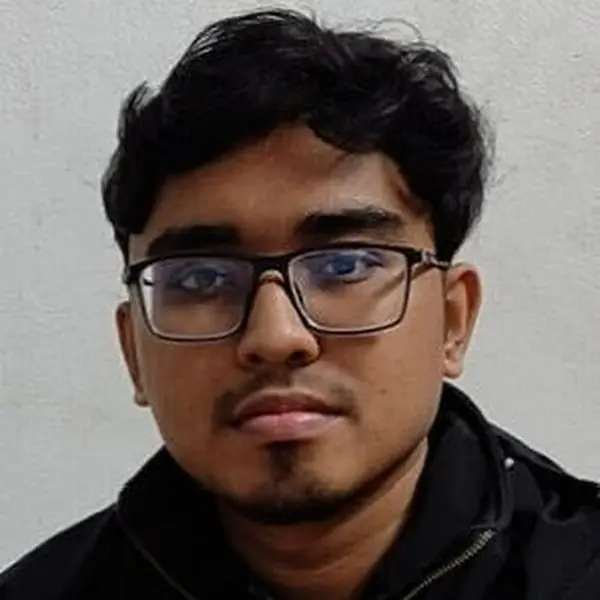
Md. Shafiqul Islam is a Ph.D. student in Materials Science and Engineering at the University of Toronto. His research focuses on Bayesian optimal experimental design, active learning, and uncertainty quantification to efficiently guide high-throughput materials experiments.
He holds an M.S. in Materials Science and Engineering from Texas A&M University, where his research focused on additive manufacturing of refractory high-entropy alloys, applying CALPHAD modeling and multi-objective Bayesian optimization for materials and process co-design. He earned his B.Sc. in Materials and Metallurgical Engineering from Bangladesh University of Engineering and Technology (BUET).
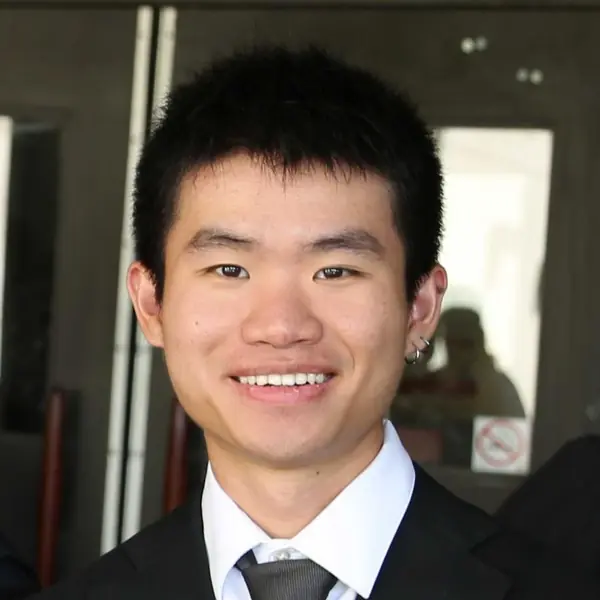
Kevin Zhang is a graduate student working on materials discovery and experimental design.
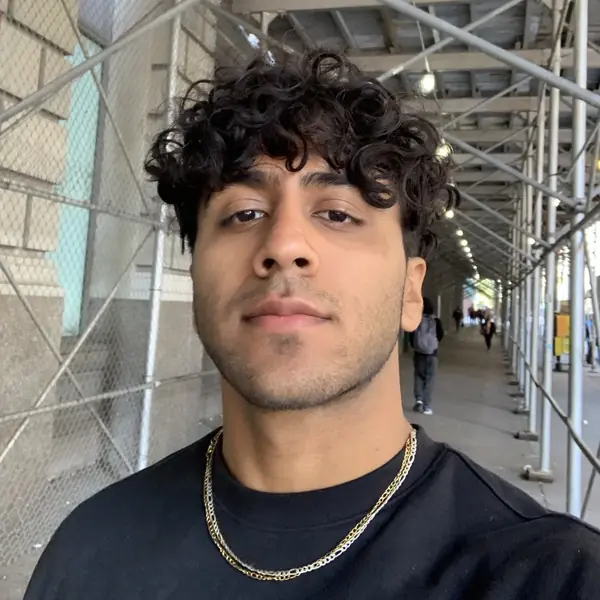
Mohammad Taha is a graduate student focusing on materials science and autonomous laboratory systems.
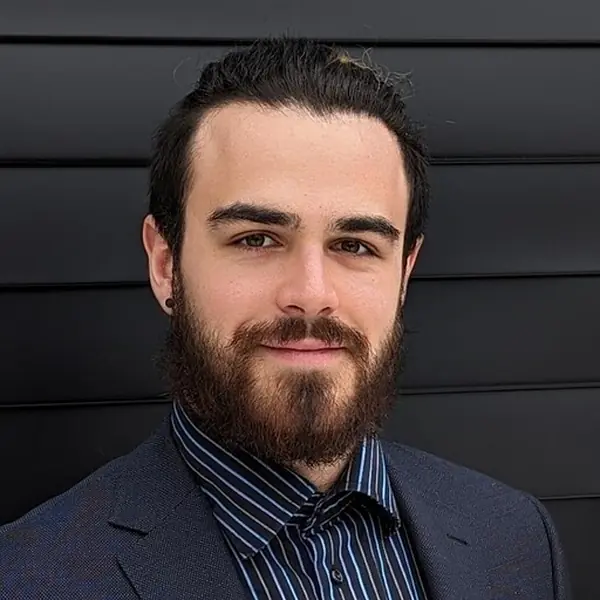
Quentin joined the group in December 2025 as an Automated Experiment Specialist. His work focuses on developing reliable, high-throughput experimental workflows for materials discovery, including laboratory automation, robotic liquid handling, and the integration of synthesis and characterization processes. His initial work with the group has centered on high-throughput synthesis workflows for catalyst discovery.Quentin holds a Master of Applied Science in Electrical Engineering and a Bachelor of Engineering in Biomedical Engineering from Toronto Metropolitan University. His graduate research focused on the design and proof-of-concept fabrication of a novel passive wireless inductive pressure sensor, establishing an architecture suitable for future MEMS-scale miniaturization. Outside of work, Quentin enjoys canoe tripping, board games, and grappling sports.
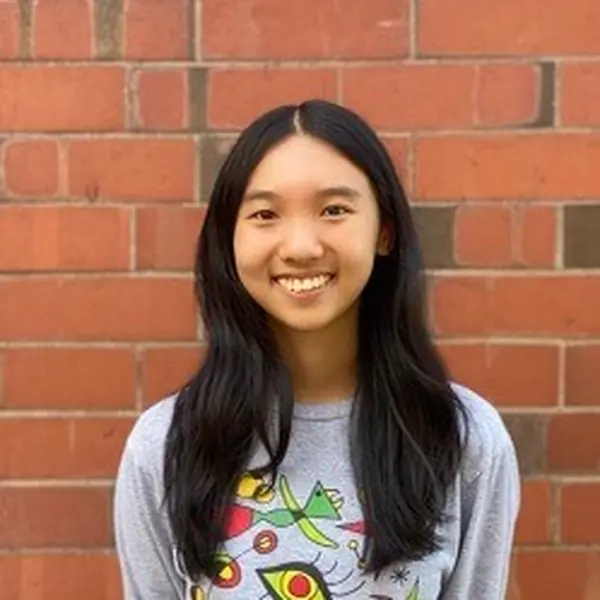
Katherine Lei is an AutoDIAL alumnus who contributed to the group's research in materials discovery and characterization.
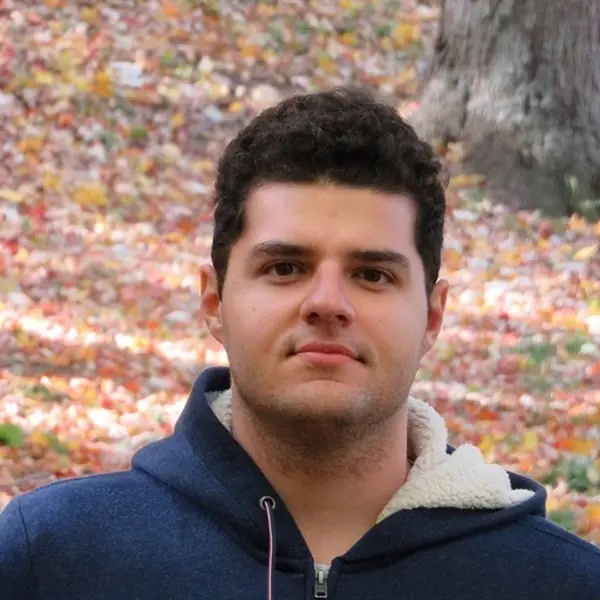
Ali Jaberi is an AutoDIAL alumnus who now works at the National Research Council (NRC), applying his expertise in materials science.
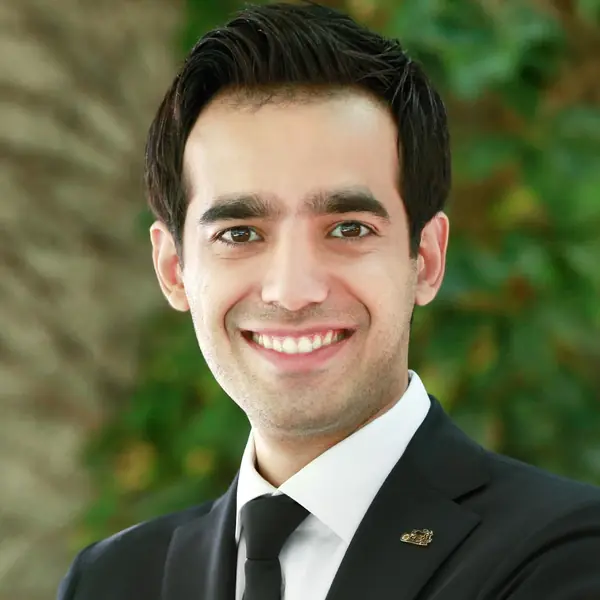
Hooman Chamani is an AutoDIAL alumnus who now works at WSP in Canada, continuing his career in engineering and materials.
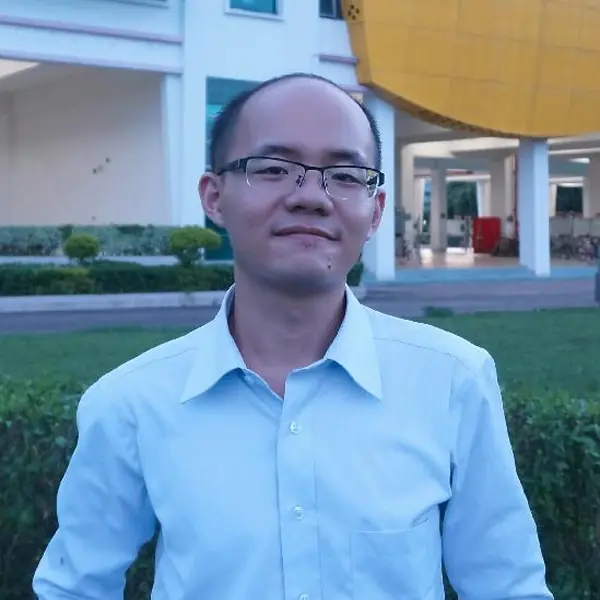
Kangming Li is an AutoDIAL alumnus who now works at King Abdullah University of Science and Technology (KAUST).
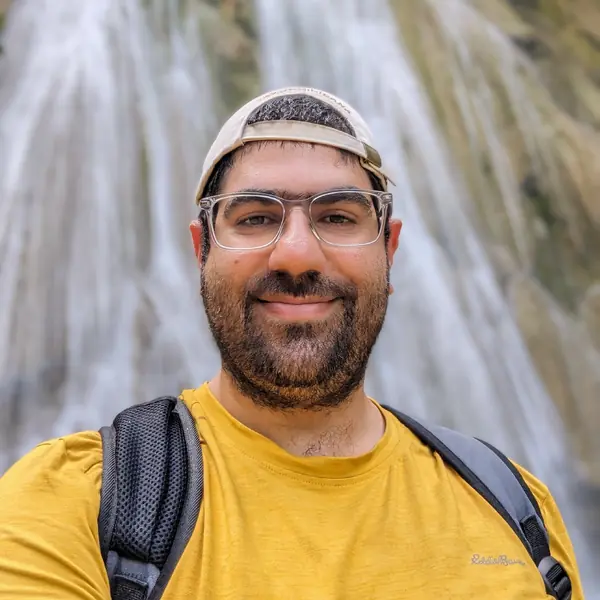
Amin Sadeghi is an AutoDIAL alumnus who now works at Carbon Engineering, focusing on sustainable technology solutions.
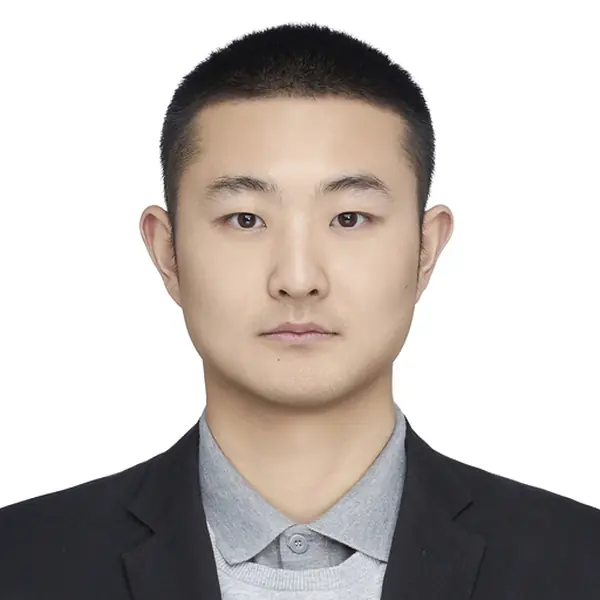
Zhaoyang Zhao served as a Postdoctoral Fellow in the Department of Materials Science & Engineering at the University of Toronto beginning June 2024. His research focused on sensitivity analysis of X-ray diffraction (XRD) data and on using artificial intelligence (AI) to help experimentalist discover high-performance oxygen evolution reaction (OER) catalysts. Zhaoyang earned both his B.Sc. and Ph.D. in Materials Science and Engineering from the University of Science and Technology Beijing (2013–2024). During his doctoral studies, he developed automated pipelines that combine AI and optimization algorithms to analyze materials-characterization data—electrochemical impedance spectroscopy (EIS) and XRD—and advocates for the seamless integration of domain knowledge with AI to creatively address challenges in materials science.
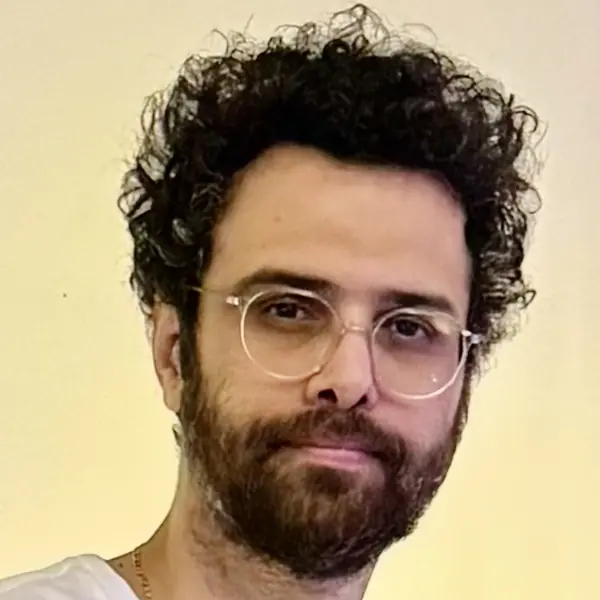
Benhour received a Ph.D. in Mechanical Engineering from the University of Alberta, where his research focused on physics-based modeling of failure in novel brittle materials. He has experience applying advanced computational methods to multiphysics modeling of additive manufacturing processes for high-entropy alloys, as well as integrating machine learning with conventional solvers for phase-field and crystal plasticity models. To speed up and automate the process, he is now integrating a machine learning framework into a physics-based model that captures the essential physical properties of electrochemical impedance spectroscopy.
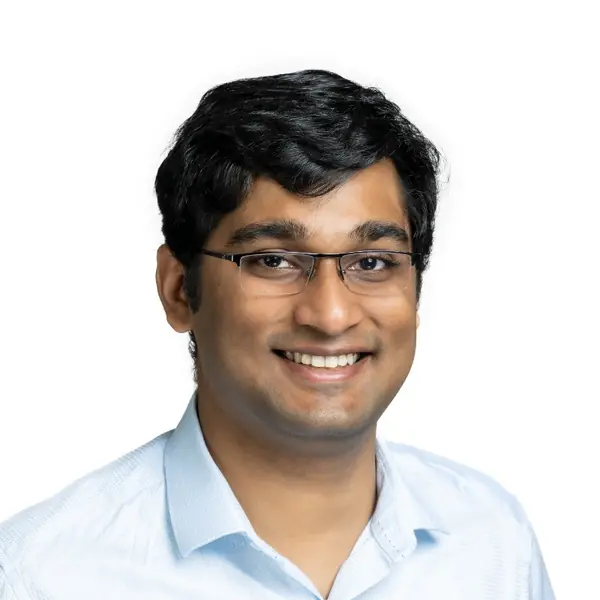
Suhas Mahesh is an AutoDIAL alumnus who now works at Schmidt Sciences, continuing his research in scientific innovation.
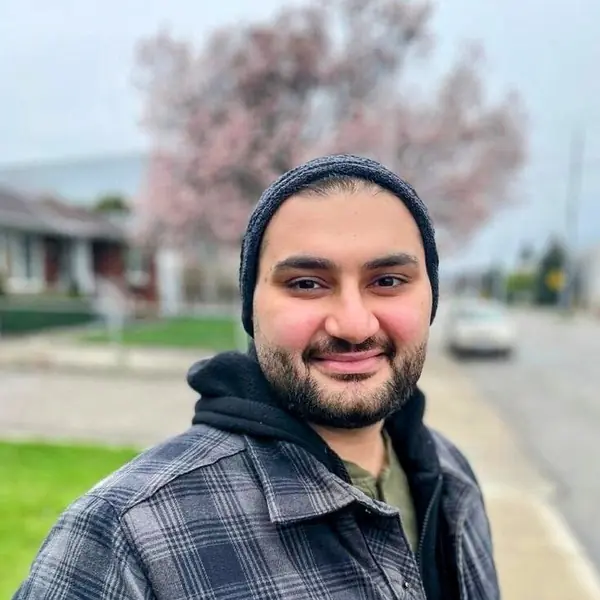
Shayan Mousavi is an AutoDIAL alumnus who now works at Sanofi, applying his expertise in pharmaceutical research and development.
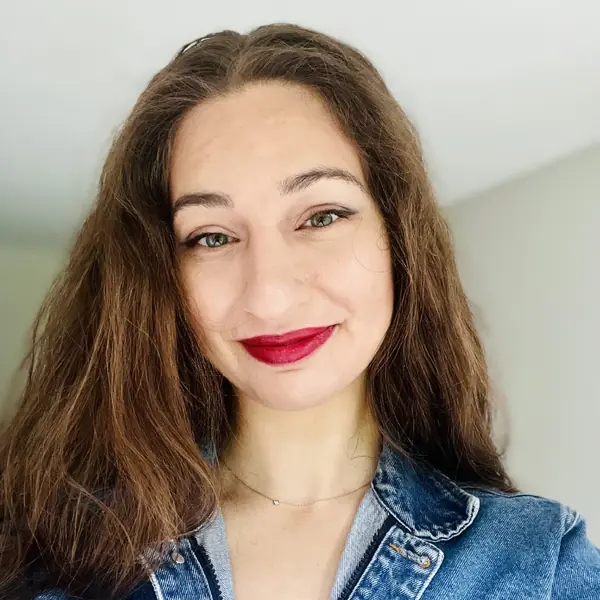
Ashley Dale joined AutoDIAL as a Schmidt AI in Science Postdoctoral Fellow in October 2024. Her research focuses on Trustworthy AI Tools for Science, explainable uncertainty quantification for foundation models, and developing trustworthy autonomous laboratory platforms. In 2024, Ashley earned a Ph.D. in physics from Indiana University and a Ph.D. from Purdue University in electrical engineering with a topic in AI for computer vision.
Her personal website is found here.
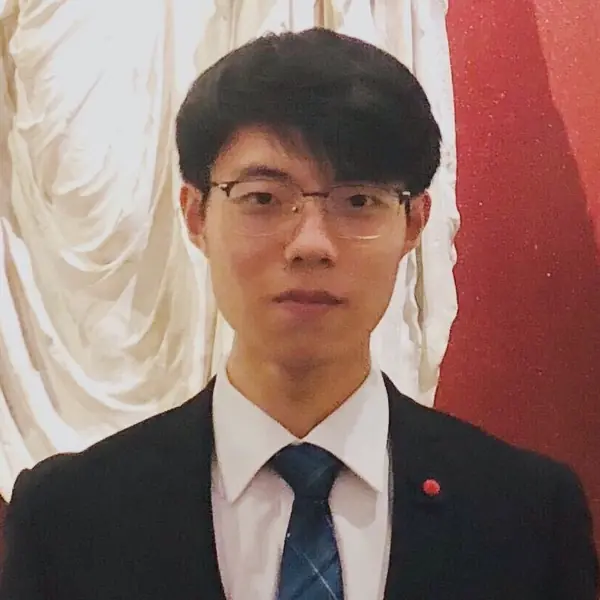
Runze Zhang joined the group in January 2022 and has been on a mission to teach machines how to do materials analysis. His research focuses on building open-source tools that facilitate materials analysis by reducing human bias and minimizing the need for a PhD-level brain to interpret experimental data. By blending statistical reasoning with machine learning, he hopes to make materials data not only more trustworthy and reproducible, but also less mysterious.
Before joining the group, Runze earned his BASc degree in Polymer Engineering and Science from the Harbin Institute of Technology. As an undergraduate, he worked on projects involving the synthesis, scale-up, modification, and application of polyhedral oligomeric silsesquioxanes.
Outside of research, Runze enjoys playing piano and chilling with his cats.